














 | 

|  |
 |
 About Depression and Anxiety Psychological Treatments
|
Psychological treatments not only help you to recover, they can also help to prevent a recurrence of depression or anxiety. Psychological treatments are based on cognitive behavioural therapy which teaches strategies to help change the way we think about certain events. Together, they simply describe the ways in which you can modify your activities, feelings and thoughts to help your recovery and prevent relapse.
Read more about psychological treatments by clicking on the links below.
Your psychological treatment options for depression and anxiety Coping strategies (stress and anxiety reduction, sleep-wake cycle management, physical activity management, reducing alcohol and other drugs) Cognitive and other psychological therapies (structured problem solving, cognitive therapies, relationship-based therapies, other psychological therapies)
Your psychological treatment options for depression and anxiety
- There are a number of psychological treatments available. Your treatment program may include one or more of these approaches.
- The amount of time you will need to devote to treatment sessions will depend on how severe your symptoms are and how much they interfere with your daily activities.

| Coping strategies
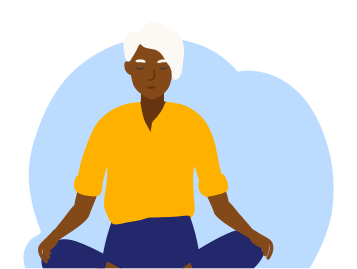
There are several types of coping strategies that you can carry out yourself to reduce the symptoms of your depression or anxiety. These strategies can be successful in helping patients with mild to moderate depression and can reduce the likelihood of the depression or anxiety from re-occurring. These coping strategies fall into four categories: (1) stress and anxiety reduction strategies; (2) sleep-wake cycle management ; (3) physical activity management ; and, (4) reducing alcohol and other drugs.
(1) Stress and anxiety reduction strategies
- Stress Management teaches you about
- Managing stress and anxiety symptoms;
- A slow breathing exercise to decrease your stress and anxiety; and,
- Relaxation and physical activity.
- Stress reduction strategies
- Stress is common in daily life and may be associated with work, family or personal relationships.
- Whatever the cause, there are some simple steps which can help to reduce stress.
| (2) Sleep-wake cycle management
- Difficulty sleeping is a common problem
- Depression disturbs sleep and disrupts the body clock.
- Sleeplessness may lead to feelings of irritability, lack of energy, and poor concentration.
- It is not the total length of sleep that matters but the quality of deep sleep and dream sleep.
- Most deep sleep occurs during the first five hours of the night. Even if you only sleep for four or five hours, you will still get about the same amount of deep sleep as someone who sleeps for eight to 10 hours.
| (3) Physical activity management
- Regular gentle exercise
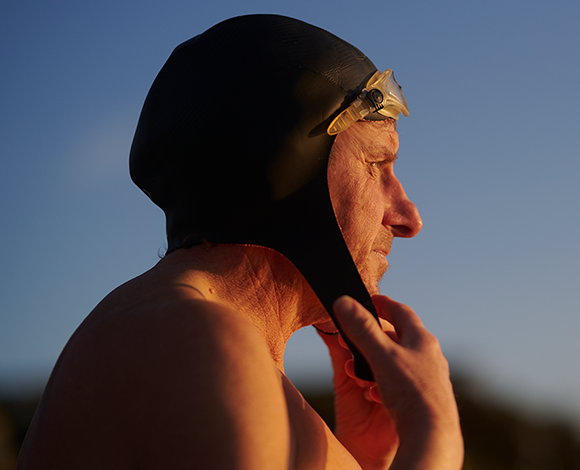
- Exercise, such as walking, swimming, yoga, dancing, golf, or going to the gym can help relieve muscle tension as well as mental tension.
- Try to do some type of exercise every day, even if it is as simple as walking around the block.
- Activity planning teaches you about
- Continuing to do things that give you a sense of achievement;
- Planning activities in order to keep you active;
- Maintaining social contact; and,
- Structured physical activity.
Exercise physiologists can help people get motivated, develop an individual exercise plan and stay on track. Their fee is also subsidised by Medicare. For more information on this, go to the links page. | (4) Reducing alcohol and other drugs
- Many people treat their mood problems with alcohol, tobacco smoking, cannabis and other drugs.
- Although these substances provide temporary relief they cause long-term problems.
- Most illegal drugs and alcohol interfere with the effects of antidepressant drugs. If you have been consuming large amounts of alcohol or other drugs, tell your doctor so that an appropriate treatment plan can be worked out.
- Cigarette smoking is bad for your physical and psychological health. You may require medical assistance to stop smoking.
| Cognitive and other psychological therapies
Cognitive and other psychological therapies are techniques that often a psychologist or psychiatrist will use to treat a patient with depression or anxiety. They are very successful therapies since thought patterns are very important in a whole range of disorders, including depression, panic and anxiety disorders.
Structured problem solving When people become depressed or anxious problems may seem overwhelming. Developing new ways to deal with problems is often helpful.
Cognitive therapies
- When people get depressed, they think negatively about themselves (e.g. "I'm a failure", "No-one loves me"), the world (e.g. "There is nothing good out there") and the future (e.g. "Things will never improve").
- Negative thinking interferes with your recovery and makes you more vulnerable to depression in the future.
- It is important to learn to recognise unhelpful thoughts and challenge them with more realistic thoughts.
- Cognitive therapy is a structured, 'here and now' psychological treatment that is based on the idea that the way we think affects the way we feel.
- Everyone experiences problems and stressful situations. Cognitive therapy teaches people to think rationally about common life difficulties.
Relationship-based therapies
Other psychological therapies
- Dynamic psychotherapy. Dynamic psychotherapy is the type of treatment that people often think psychiatrists and psychologists use all the time, and is often shown in the movies as 'therapy'.
- Assertiveness training. When people are depressed and anxious, they tend to have more trouble being assertive.
To find out more about available strategies for managing depression and anxiety and for staying well, go to our links page. | | Source: Hickie et al. Educational Health Solutions; 2000. Reproduced with permission. |
|
 |
|  | 


 | Our ambassadors | |


|  |