












There are many ways that a woman with PND can help herself feel better.
Here are some suggestions:
- Seek help and treatment from a doctor or other qualified health professional.
- Seek friendships with other women. While reaching out during this time may be difficult, many women find that making the effort can result in good opportunities to enjoy adult company.
- Organise childcare or ask friends or family to look after the child/ren occasionally to allow for time out.
- Make sure you take time out to do the things you enjoy like reading a book, listening to music or having a bath.
- Spend some time with your partner to help nurture the relationship.
- Develop a support system of friends, family and/or health professionals and accept offers of help.
- Restrict visitors when feeling unwell, overwhelmed or tired.
- Meet with other mums who have postnatal depression. These support groups are conducted by people who have experienced the same sorts of problems.They can provide an opportunity to share similar experiences and find new ways of dealing with problems.
- Take things one step at a time. Sometimes the only way to cope is to take things one hour at a time.
- Don't bottle up feelings. Discuss difficulties with a partner, family member or friend. Sit down and talk about the things that are difficult and try to reach a solution together.
- Keep a diary of feelings and every now and then, take time to look through it and note any progress made.
- Don't be afraid to call a postnatal depression support service or mental health crisis line if things are getting tough and other help is not available.
- Eat a balanced diet. People who experience depression can find that their appetite changes. Even though a woman with PND may not feel like eating healthy food, it is important to eat at least small snacks regularly and make sure the staple foods such as fruit and vegetables, milk, wholegrain bread and lots of water are included.
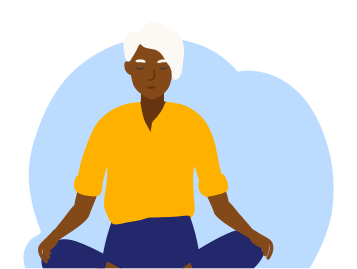
- Practise breathing and muscle relaxation techniques. Stress can affect how a person breathes and can cause muscle tension. Breathing quickly and having tense muscles can, in turn, make a person feel more stressed. This vicious cycle can be stopped by learning and practising new breathing and muscle relaxation techniques. Exercises that involve slowly relaxing muscles and deep breathing have been shown to be useful in the treatment of depression. For more details see beyondblue Fact Sheet 6 - Reducing stress.
- Do some research. Gather information on postnatal depression from various sources, such as the internet, audio/videotapes and books. This may help people to understand postnatal depression better and how to cope with it. For more information on alternative treatments see beyondblue Fact Sheet 14 - Other treatments for depression and anxiety.
Try to establish good sleeping patterns
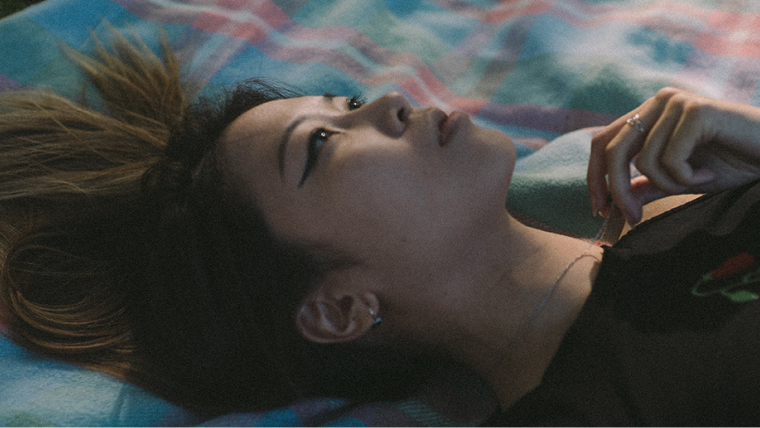
Having a good night's sleep is important for maintaining good health, but can be almost impossible with a new baby. The body needs the opportunity to recharge from the day's activities. Depression can make a person feel tired and can cause sleep disturbances, such as:
- finding it difficult to get to sleep
- not having a deep sleep
- waking very early in the morning and being unable to get back to sleep.
This can make symptoms of postnatal depression worse e.g. irritability, feeling edgy, overwhelmed and tired. There are a number of things that can improve sleeping patterns.
Taking every available opportunity to nap can not only help you stay physically fit, but also mentally healthy. Do this when the baby is asleep or when partners, family members and friends are able to look after the baby. This may seem like a challenge when there is so much else to do, but it's important to make the effort to get enough rest.
For more information see beyondblue Fact Sheet 7 - Sleeping well
Keep active
Exercise is important for maintaining good physical health as well as good mental health. Refer to the self-help section on depression and keeping active as well as beyondblue Fact Sheet 8 - Keeping active.
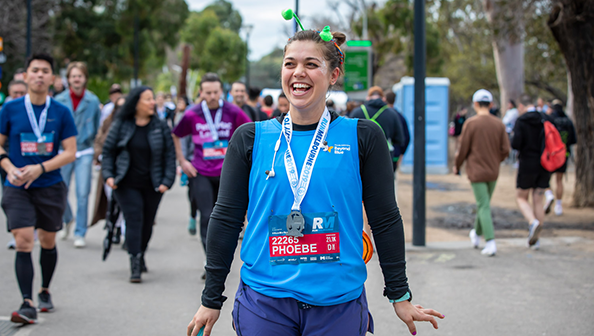
Physical activity can help prevent and manage depression. Walking with friends can be a good way of catching up.
Some tips for keeping active include...
Plan - A woman with PND should make a plan so she participates in some enjoyable activities every day and finishes each day with a sense of achievement.
Be flexible - Sticking to plans can be a challenge. It's only a rough guide and should be flexible. If an activity runs overtime or cannot be completed, skip it and move onto the next one at the appointed time.
Start small and build up slowly - If a woman is going through a period of depression, she may have difficulty with even simple things, such as getting out of the house in the morning. She shouldn't try to do too much too early. That's why it's a good idea to start with easy tasks/activities and build on them slowly.
Include other people - Planning to do things with other people can help motivate the person to get moving, especially on days when it seems hard to do anything. Some suggestions are:
- put the baby in a pram or pusher and go for a walk
- arrange to meet other new mothers and their babies.
Reward yourself - When something goes right, it can be a good time to be rewarded. Some cheap and enjoyable rewards include reading, watching movies, gardening, going to the beach or park, taking part in sporting or creative activities, shopping, seeing friends or playing with pets. If you are not able to go out:
- have a long bath while the baby is asleep
- play some relaxing music.
Exercise physiologists are people who have an understanding of how exercising affects the body and mind. They can help people get motivated, develop an individual exercise plan and stay on track. Their fee may be subsidised by Medicare. For more information go to our links to external organisations page or download the beyondblue Fact Sheet 8 - Keeping active
Exercise your rights
We all have the right to be treated fairly and equally. If you feel that you, or someone you care for, is not being treated fairly or equally because of their illness you should contact the Human Rights and Equal Opportunity Commission Discrimination Line.
For more information on the rights of people with depression and related disorders in the workplace, see beyondblue Information Sheet - Do you have to tell your employer you have depression?
For more information on the rights of people with depression and related disorders in obtaining insurance see beyondblue Discrimination in Insurance Program webpage.
More information
For more strategies on how to help yourself visit the e-health section of our links page and download beyondblue Fact Sheet 15 - Recovery.