The tragedy at Bondi Beach affected people well beyond those who were there. We recognise the profound and ongoing impact on Jewish people, families and communities, in the wake of this tragedy. Beyond Blue stands with the Jewish community as the anniversary approaches.
At this time, it’s natural for thoughts, feelings or physical responses to resurface. If you or someone you care about is struggling, you’re not alone. Support is here.


Post-Traumatic Mental Health and Resources

Events like this can affect how we think, feel and respond - and not just at the time, but in the weeks, months or even years that follow, even if we experienced them from a distance, or alongside other stresses in our lives.

You don’t need to read everything in one go. Take what is useful to you now and leave the rest. You can come back at any time.

When natural disasters or acts of violence happen, they can shake our sense of safety and leave us feeling unsettled, powerless or on edge, even if we weren't directly involved.
The effects can last longer than people expect. You might notice them in the days and weeks afterwards, or around anniversaries, media coverage or other reminders.

These reactions can show up in different ways. You might feel anxious, numb, angry, overwhelmed or constantly on edge. You may notice changes in your sleep, concentration or energy levels. Everyone responds differently.
Sometimes these feelings can seem to come out of nowhere. They can build gradually, return unexpectedly, or become more noticeable when you're already dealing with other stresses in life.

What matters is noticing what's happening and taking small steps to look after yourself. You don't need to wait until you're at crisis point to seek support.
For some people, self-care and connection are enough. For others, extra support can help. Either way, you're not expected to carry it on your own.


People you trust can often give you helpful insights into how you might be coping - even if you think you are coping well. Sometimes they can notice things before you do, such as:
For many people, these reactions ease over time. If they continue or feel harder to manage, extra support can help

You might feel more tired, withdrawn, or easily frustrated.

You may find it harder to concentrate, feel jumpy, or avoid certain conversations.
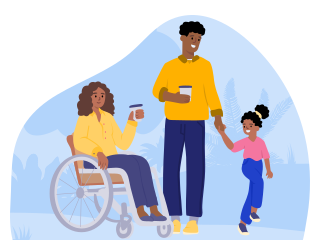
Children may ask repeated questions, seek reassurance, avoid talking about it or begin to behave differently.
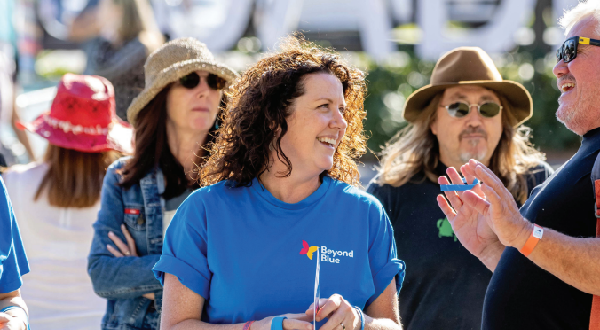
Small routines can help create a sense of stability. Try keeping meals, sleep and your day as regular as you can. Protecting the basics sounds simple, but it really matters at times like this.
Spending time with others can help you feel less alone. You might send a message, make a call, or spend time with someone you trust.
A short reset can help. Try a breathing exercise.
Even small moments of enjoyment can help balance difficult feelings.
Take time for something familiar or comforting.
There’s no right pace for this. Let your feelings come and go without needing to push them away. Simply acknowledging and noticing them goes a long way.
You don’t have to stay across everything. Step away from coverage if it feels overwhelming.
You don’t have to manage this on your own. Talk to someone you trust, or reach out to Beyond Blue when you’re ready.
Small acts of support can make a difference. Check in with someone, offer practical help, or support a trusted community initiative.


Time to read: about 2 minutes
It’s common to feel unsure what to say or do when someone you care about is affected by something distressing.
You don’t need to have the right words or all the answers. Being present, listening and following their lead can make a meaningful difference.
You don’t need to fix things or have the perfect response. Listening, acknowledging what they’re going through and following their lead can help.
You might say:
It’s okay if you don’t fully understand what they’re experiencing. What matters is showing that you care.
Connection can help someone feel less alone. Spending time together doesn't have to involve talking about what happened.
You might suggest:
When someone is having a difficult time, everyday tasks can feel harder than usual.
Offering something specific and practical, can make it easier for them to accept help, especially if its offered in a way that is not forceful and they have the choice to say yes or no.
You might say:
If someone seems to be struggling, it can help to gently suggest additional support.
If you're worried about their immediate safety.
If someone is thinking about suicide or self-harm, or you’re concerned they may be in immediate danger, take it seriously and help them connect with urgent support. If life is in danger, call Triple Zero (000).
You might say:
Supporting someone who’s going through a difficult time can affect you too.
It can help to:
You don’t need to carry this on your own. You can call Beyond Blue at any time if you need support yourself or want advice on how to support someone you care about after a traumatic event.
Reaching out doesn’t mean something is wrong. It can be a helpful step when things feel difficult.


Time to read: about 2 minutes
Children and young people can be affected by distressing events even if they weren’t directly involved.
The support of parents, carers and other trusted adults can play an important role in helping them feel supported and secure. Some may want to talk about what happened, while others may show how they're feeling through changes in their behaviour.

Time to read: about 2 minutes
Traumatic and distressing events can affect students in different ways. As a teacher or educator, you may notice changes in your students, while also managing your own response.
You don’t need to have all the answers. Providing a calm, predictable and supportive environment can make a meaningful difference.

Time to read: about 2 minutes
Traumatic events in our communities can affect people differently at work. Some may want to talk about it, while others may prefer to focus on their usual tasks.
Taking time to check in with people, regularly and genuinely, can really help. Workplaces can be an important source of connection and support during times like this.

Time to read: about 2 minutes
Connection and small acts of care can make a difference after a distressing event. Supporting your community can be as simple as noticing the people around you, making time for a conversation or helping someone find support if they need it.

It’s common to think:
You don’t have to have been directly involved to be affected. People can be impacted in different ways. There’s no threshold you need to meet to reach out.

In Australia, half of those experiencing mental health concerns never seek professional support. Of who do, half delay seeking support for up to 10 years. Don’t let that be you. Support is there for anyone who needs it, including you. You don’t need to be in crisis.
You can reach out if:

You don’t need to wait until things get worse. You don’t need to know what to say.
When you call or chat:
It’s okay to start with:
It can help to know what to expect.


You can also offer to:

After a distressing or traumatic event, you might notice children and young people in your life may act differently. Changes in behaviour are understandable and common response to distress.
They may:

Talking with children and young people, answering their questions and reassuring them they’re not alone helps them feel safe after a traumatic event.
You don’t need to have all the answers. Being calm, available and taking your cues from them is what matters most.
You can:
You might say:
Children and young people may feel confused or worried by:
You can help by:
For younger children in particular, adults may also need to be mindful of news playing in the background, as repeated footage can be confusing or distressing.
Watch
Many children and young people will gradually feel better with reassurance, connection and support from the adults around them.
Consider seeking additional support if their distress is getting worse, isn't easing over time, or it is significantly affecting sleep, school, relationships or everyday life.
A GP, school wellbeing professional or mental health professional can help you work out what support may be appropriate.
Children and young people may express their thoughts and feelings in different ways. Give them opportunities to express themselves in ways that feel comfortable, without pressure to talk about or revisit what happened.
Children may express their feelings through:
Follow their lead rather than asking them to draw, play or describe the distressing experience.
Children take cues from the adults around them. It’s okay to have your own feelings about what happened. Looking after yourself can help you stay available, calm and connected when they need you.

Small, simple check-ins can help students know support is available. Listening with attention and without judgement can help students feel heard.
Remember that not every student will want to talk about what happened.
You might:
Students may respond in different ways, and their reactions can change over time. Changes in behaviour may be a sign that a student is distressed or needs additional support. Sometimes reactions can be misunderstood as difficult or bad behaviour. There’s no single “right” way to respond to a distressing event.
You might notice:
A calm and predictable classroom can provide stability and foster a sense of safety following a distressing event. Continuing with familiar activities can help provide a sense of calm and predictability.
You can support this by:
Students may raise what they’ve seen or heard in class or privately with an educator they trust.
You can help by:
It’s okay to say, “We don't need to go into the details of what happened. If something you've heard or seen is worrying you, you can talk to me or another trusted adult.”
You’re not expected to be a counsellor or provide trauma therapy. Your role is to provide a safe, supportive learning environment, notice when a student may need additional support, and connect them with the right help.
If you’re concerned about a student's wellbeing, follow your school’s processes or seek additional support by:
Supporting students following a distressing event can take a toll on educators too, particularly if you or your community have also been impacted.
It can help to:
Looking after your own wellbeing can help you stay calm and present in the classroom.
If you’re worried about someone, a simple approach can help guide the conversation: Prepare, Ask, Listen, Support.
Prepare
Ask
Listen
Support
You don’t need to have all the answers. What matters is showing you care and being willing to listen.
Checking in more than once can also make a difference. A simple follow-up like “I’ve been thinking of you, how are you going today?” can help someone feel supported over time.

Stress can show up in different ways, and it’s not always obvious at first.
You might notice changes such as:
These changes don’t always mean something is wrong, but they can be a sign someone may need support.

Clear, calm communication can help reduce uncertainty. Acknowledging what has happened and sharing factual information carefully can support a sense of stability.
If you’re a leader, manager or small business owner, your approach helps set the tone. Being visible, approachable and flexible can help people feel safer and more supported.
People will respond in different ways. There’s no single “right” way to respond.
Even small, open conversations can help people feel seen, heard and less alone.
Communities often find strength in supporting one another. Recovery can take time, and support may be needed long after media attention has faded.
You could:

Community connection can make a real difference after a distressing event.
You might:
People can react differently to the same event. Sometimes simply acknowledging what has happened and showing you care can make a meaningful difference.
You can help by:

A simple check-in can help someone feel seen and supported.
Some people may be more affected than others, including those who:
You might say:

After a traumatic event, people often look for information to help make sense of what has happened. Accurate information can help reduce confusion and uncertainty.
It can help to:
Supporting your community can be meaningful, but it’s important you look after yourself too.
Looking after yourself helps you continue to support others in a sustainable way.
It can help to: