
Many Australians have experienced extreme weather disasters such as heatwaves, flooding, bushfires, drought, landslides, earthquakes or destructive storms.
In addition, many in the community are generally worried about climate change and extreme weather disasters.
People who have experienced disasters may experience short or long-term mental health impacts. It’s important to seek help early.
Being prepared and having a plan that you’ve discussed with your family can help you recover from a traumatic event or disaster.
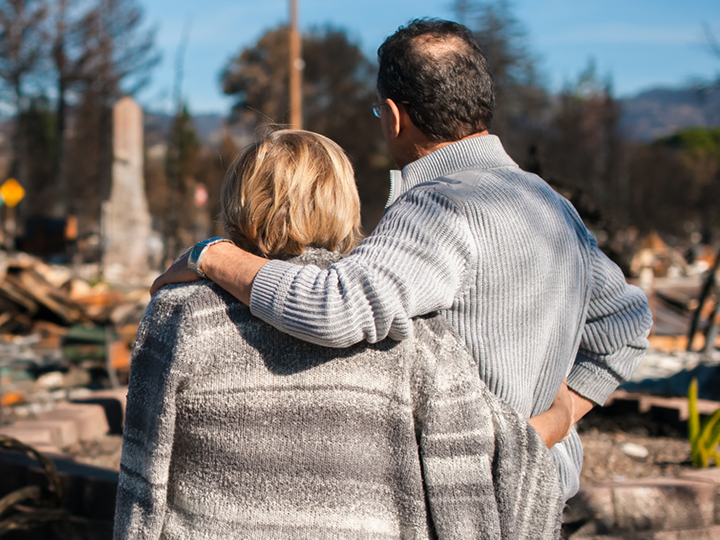


Reactions can be severe and are at their worst in the first week after the event, however, in most cases, they fade over a month.
If a person's day-to-day functioning is seriously affected for more than one month after the event, it's important to discuss it with a GP or mental health professional.
Common reactions include:
It is also important to understand that a friend, loved one or work colleague may see these reactions in you, often when you do not. They may see you are detached, unfocused, anxious, angry or tearful without provocation.
Listen to the opinions of people that you trust. It is a sign of respect to friends and family to act on their advice and discuss these issues with a GP or mental health professional.
If you experience any of these symptoms at any time, seek help from a GP or mental health professional:
Supporting someone with a mental health condition, including how to recognise something is not right and how to have that first conversation
Supporting your child after a natural disaster – headspace
Red Cross 'preparing for emergencies'
Phoenix Australia 'prepare' information
YARN support for First Nations Peoples